Bourbon Art in Contemporary Culture: Where Tradition Fulfills Technology
The Significance of Whiskey Art in Celebrating Heritage and Craftsmanship in the Beverage Sector
The intricate connection between scotch art and the celebration of heritage and workmanship within the beverage sector can not be overemphasized. Through attentively designed labels and bottles, bourbon brand names envelop their historic roots and the artisanal abilities that specify their manufacturing techniques. This creative dimension not just enhances market appeal however likewise functions as a conduit for cultural narration, promoting a much deeper link between the craft and the consumer. As we explore the numerous facets of this topic, fascinating questions concerning the effect of contemporary trends on standard techniques occur, motivating additional examination.
The Historical Roots of Whiskey
At the heart of whiskey's appeal lies an abundant tapestry of historic origins that trace back to old human beings. The origins of scotch can be linked to the purification techniques of the Sumerians and Babylonians around 2000 BCE, where very early forms of fermented grain drinks began to arise. It was in the Middle Ages that the art of distillation progressed dramatically, specifically in Ireland and Scotland, leading to the creation of bourbon as we understand it today.
The term "scotch" itself originates from the Gaelic word "uisce beatha," meaning "water of life." This expression underscores the social significance of whiskey in Celtic cultures, where it was often associated with rituals, parties, and communal bonding. By the 15th century, distillation became a recognized craft within reclusive communities, leading the way for the facility of lawful distilleries.
As trade courses increased, scotch's appeal expanded, going beyond regional boundaries and catching the passion of lovers worldwide. Realism Art. This historic trip reflects not just the craftsmanship behind whiskey manufacturing but additionally its integral function in social and social contexts, noting it as a considerable beverage throughout background
Artistic Expression in Branding
Whiskey branding stands as a compelling junction of artistry and business, where aesthetic identity plays a critical function in forming customer assumption. The appearances of bourbon tags, packaging, and marketing materials mirror not only the brand's story however likewise its core values and heritage. Via imaginative expression, distilleries convey a story that reverberates with customers, stimulating emotions and triggering links.
Using shade, typography, and images in branding serves to separate items in a saturated market. Traditional concepts might stimulate a feeling of credibility and craftsmanship, while modern-day styles can signify development and forward-thinking. This strategic artistic instructions enhances brand name acknowledgment and loyalty, enabling consumers to forge a personal relationship with the whiskey they select.
Moreover, artistic expression in branding commonly functions as a party of regional heritage. Distilleries often incorporate neighborhood icons or historical references into their designs, creating a sense of area that welcomes customers to engage in a wider social experience. Eventually, the artistry behind whiskey branding not only improves visual charm yet also enhances the total narrative of the brand name, promoting a much deeper appreciation for the craftsmanship and heritage ingrained in each bottle.
Craftsmanship in Container Design
The creativity obvious in scotch branding extends beyond aesthetic identification to incorporate the workmanship entailed in bottle style. Each bottle works as a vessel not just for the spirit within, yet additionally for the tale it outlines its origin, quality, and custom. The layout procedure calls for meticulous focus to information, as elements such as product, closure, and form add dramatically to the overall understanding of the scotch.
Craftsmanship in container style includes choosing premium glass that can enhance the scotch's color and quality, while likewise offering a responsive experience for the consumer. The silhouette of the bottle need to be both functional and cosmetically attractive, often reflecting the heritage of the brand. Numerous distilleries choose unique shapes or printed logo designs that evoke a sense of authenticity and background.
In addition, the tag design and typography play a vital duty in communicating the brand's story. Realism Art. A well-crafted container not only mesmerizes the customer's eye but also reinforces the brand name's commitment to top quality and tradition. By doing this, the craftsmanship of container design comes to be a crucial facet of the whiskey experience, merging virtuosity with a profound regard for heritage
Social Value of Whiskey Art
Commemorating tradition and craftsmanship, the cultural importance of whiskey art goes beyond plain aesthetic appeals, linking with the social and historic stories of the regions from which it originates. Each container acts as a canvas, illustrating check over here the one-of-a-kind stories, mythology, and traditions that have actually formed neighborhood whiskey-making practices. The complex layouts frequently reflect the heritage of the distillers, including icons and motifs that resonate with the culture and values of their communities.
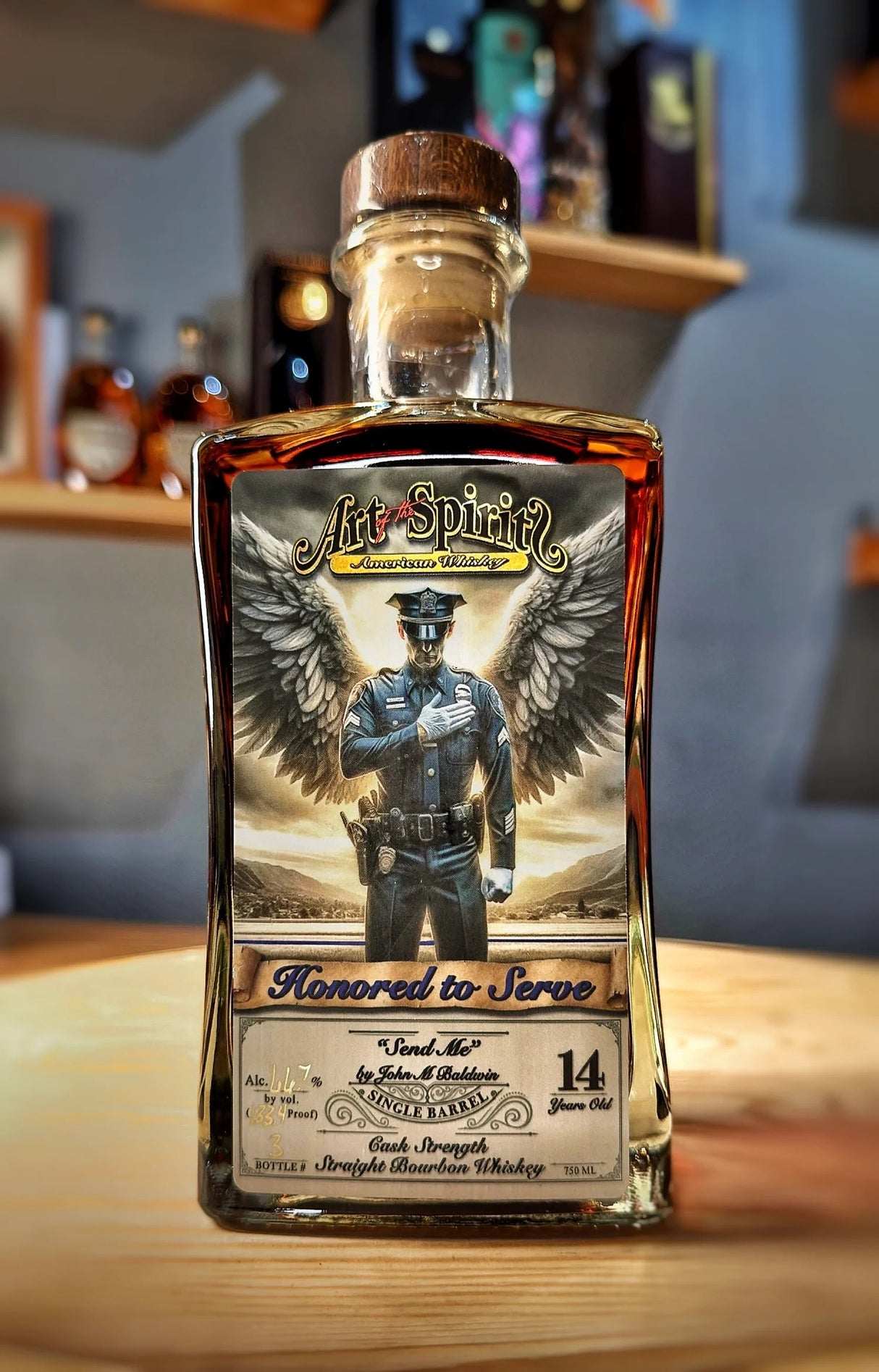
Furthermore, whiskey art plays a crucial function in communal gatherings and celebrations, functioning as a concrete web link between individuals and their shared experiences. By appreciating the virtuosity in bourbon product packaging, customers useful link grow a deeper understanding and regard for the craft, inevitably enriching their enjoyment of the beverage itself.
Modern Trends in Scotch Presentation
In recent times, the discussion of bourbon has progressed to mirror contemporary tastes and trends while still honoring typical workmanship - Realism Art. Distilleries are significantly concentrating on visual elements that boost the general alcohol consumption experience, connecting the gap between heritage and modernity
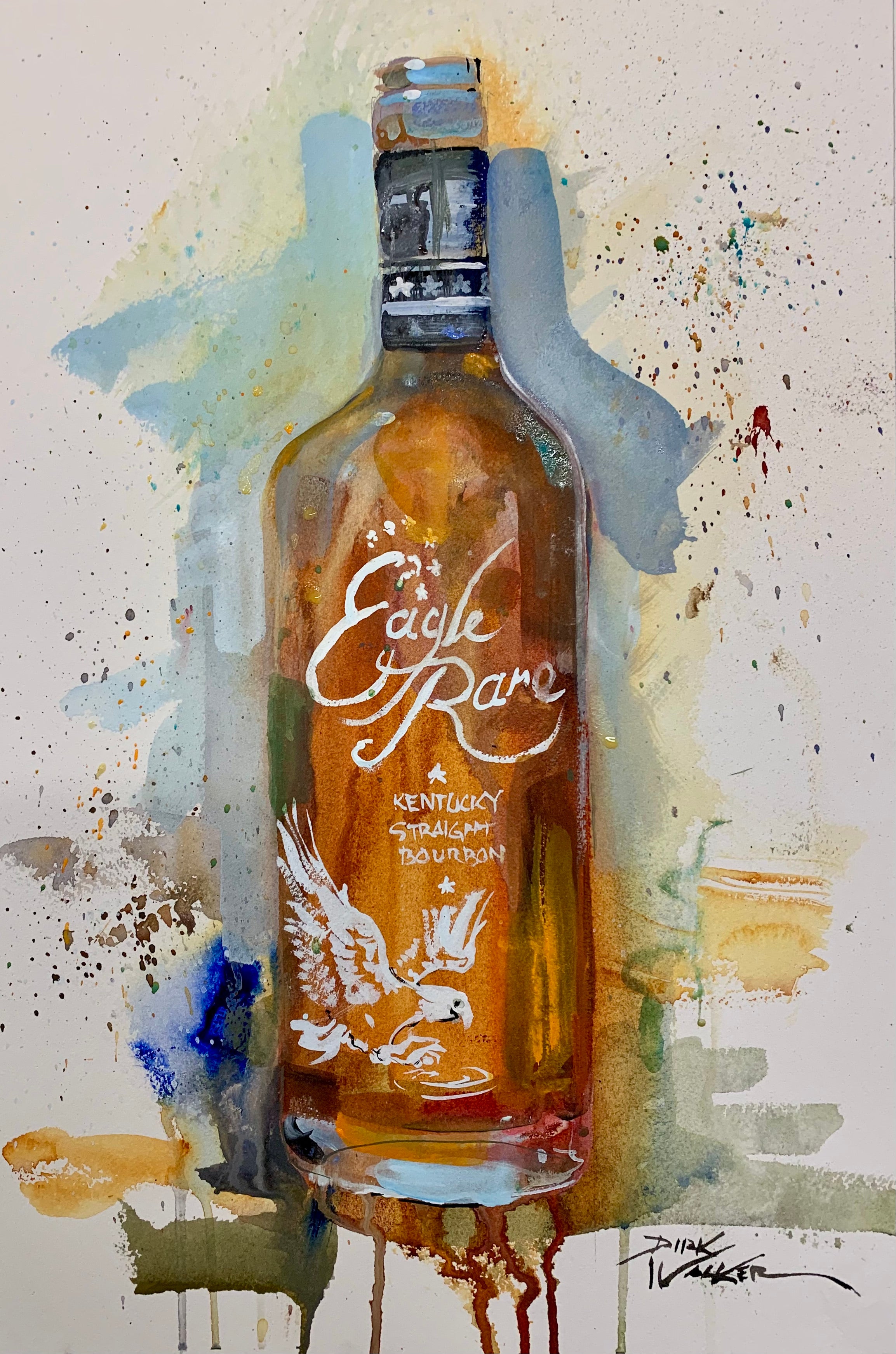
Cutting-edge bottle designs have actually arised, typically incorporating sustainable products and artistic labels that inform compelling tales. Numerous brands now collaborate with local artists, infusing their items with unique aesthetic expressions that reverberate with consumers. Additionally, limited-edition launches are often packaged in collectible containers, including value and charm for lovers.
Conclusion
In conclusion, whiskey art serves as an essential conduit for sharing the heritage and craftsmanship fundamental in the beverage industry. Through complex branding, ingenious bottle layouts, and culturally substantial artistic components, scotch brands effectively recognize their practices and attach with consumers.
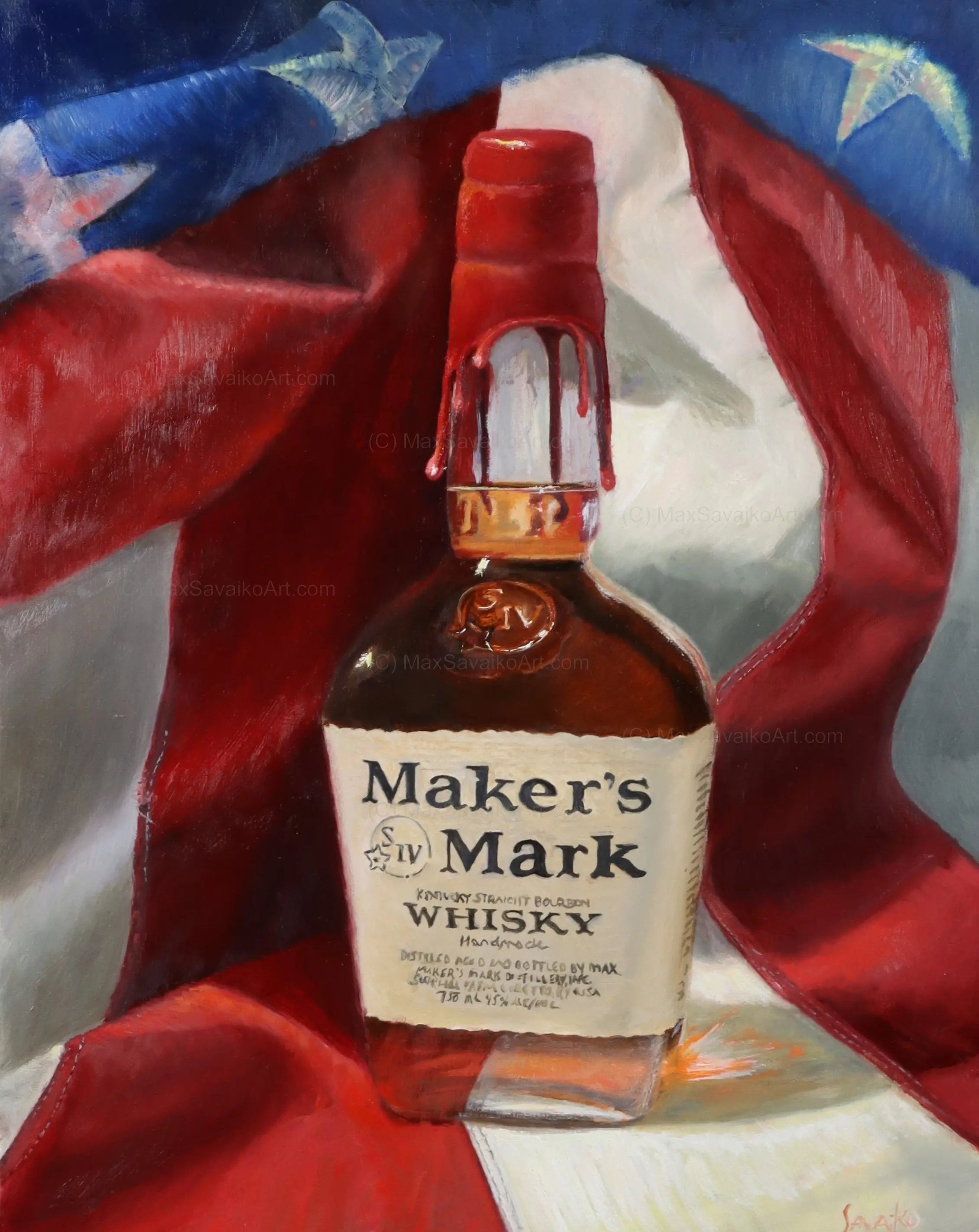
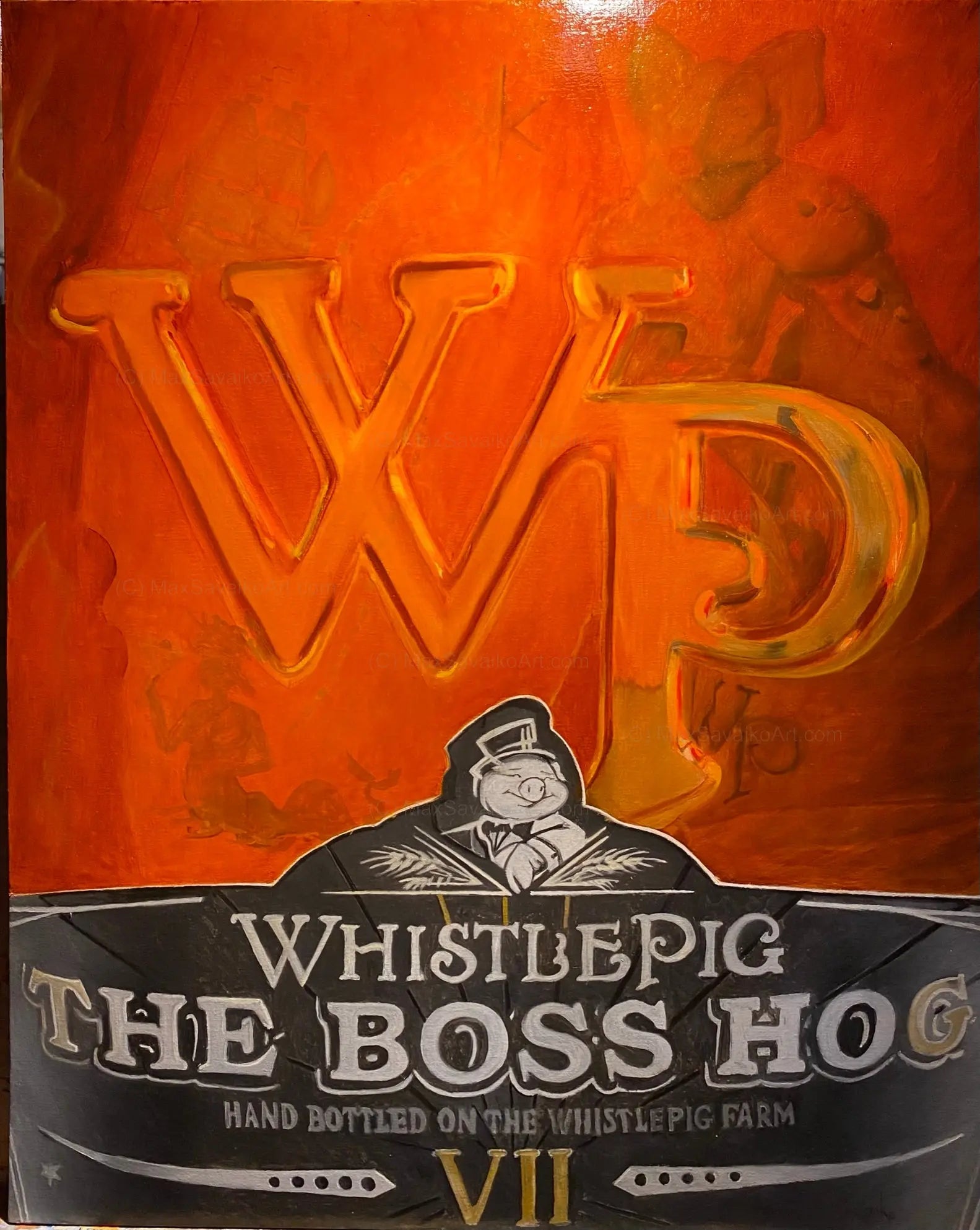
Craftsmanship in container layout involves selecting high-grade glass that can boost the bourbon's color and quality, while likewise giving a responsive experience for the consumer. In this way, the workmanship of bottle style becomes a vital element of the whiskey experience, combining artistry with a profound regard for heritage.
In conclusion, whiskey art offers as an important channel for sharing the heritage and workmanship intrinsic in the beverage market.